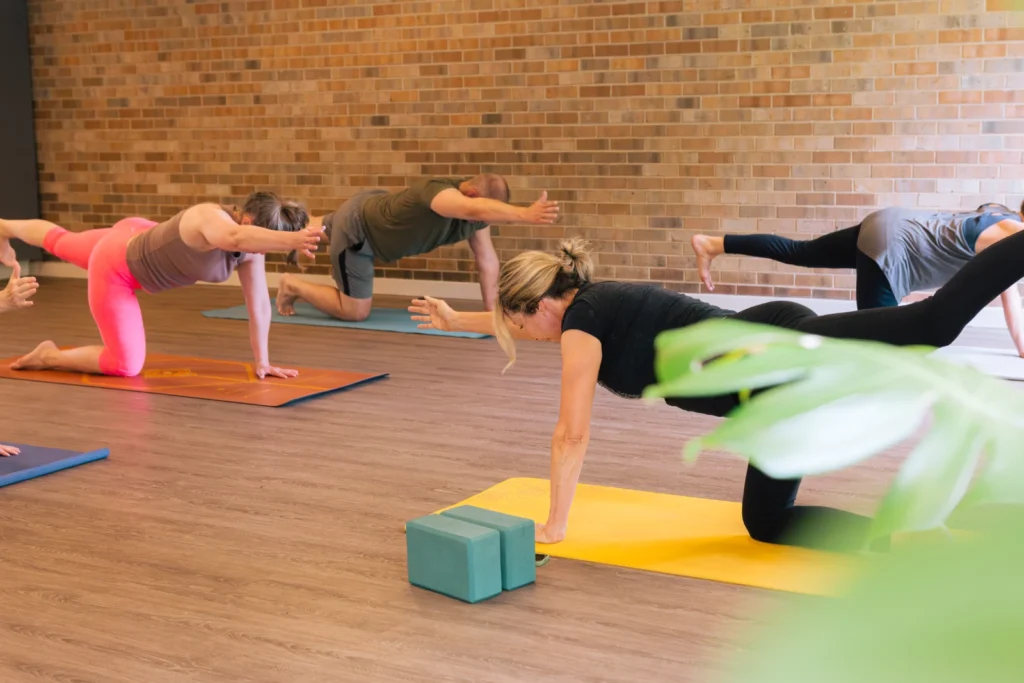
Balance is treated as an old person’s problem, which is exactly why it becomes one. The systems that keep you upright — inner ear, vision, and the sensors in your feet and ankles — respond to practice at any age, and they quietly decline without it.
Why slow is hard
Tai Chi frustrates newcomers because there is nothing to push against. You move at a pace that gives your body no momentum to hide behind, which means every wobble is information rather than something you can power through.
That is the entire training effect. Slow movement forces the small stabilising muscles around your ankles and hips to do their job, and it gives your nervous system time to notice where you actually are in space.
Start before you need it
The people who get the most from this work are in their forties and fifties, not their eighties. Balance training is far easier to maintain than to rebuild, and the window where it is easy is the window most people ignore.
Three minutes at home
Stand on one leg while you brush your teeth. Switch legs halfway. Keep a hand near the counter but do not hold it unless you need to. When that gets easy, close your eyes for a few seconds at a time.
It is not glamorous, and it works. Our Tai Chi and balance class runs twice a week, and you are welcome to sit any part of it out while you find your footing.